
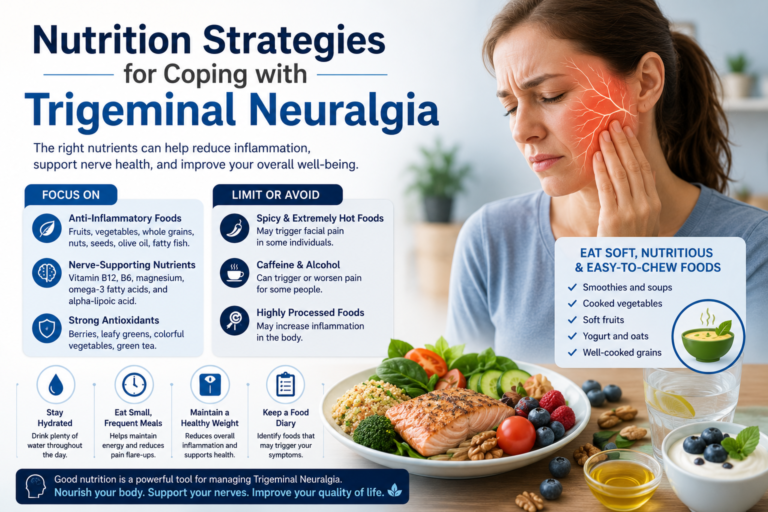
Trigeminal Neuralgia is a chronic neurological condition that causes sudden, severe facial pain often described as electric shock-like attacks. Even simple activities such as chewing, talking, drinking, brushing teeth, or touching the face can trigger painful episodes.
While medications and surgical treatments remain the primary treatment options, nutrition may also play a supportive role in managing symptoms. Certain foods may help reduce inflammation, support nerve health, improve energy levels, and make eating more comfortable for patients experiencing facial pain.
The food we eat affects:
Many patients with trigeminal neuralgia experience difficulty chewing and swallowing because facial movements can trigger pain attacks. Choosing the right foods may help improve comfort and nutrition while reducing irritation.
No diet can cure trigeminal neuralgia. However, a healthy and balanced nutrition plan may help:
Nutrition should always complement medical treatment rather than replace it.
Inflammation may contribute to nerve irritation and pain sensitivity.
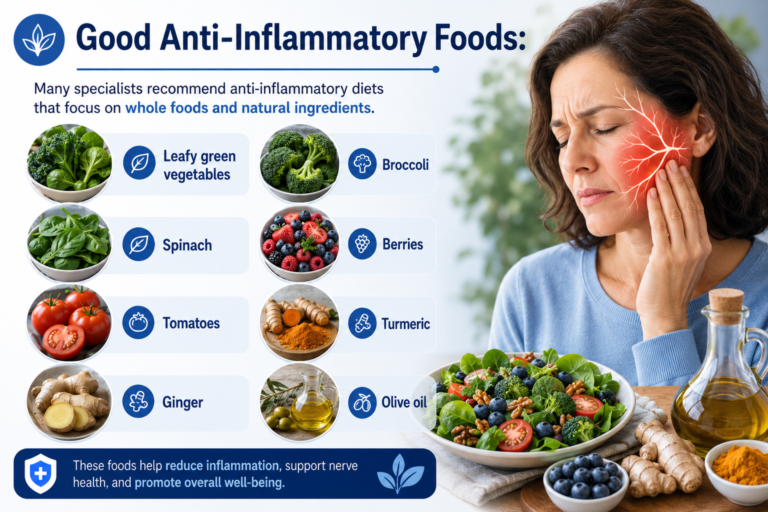
Good Anti-Inflammatory Foods:
Many specialists recommend anti-inflammatory diets that focus on whole foods and natural ingredients.
Omega-3 fatty acids support brain and nerve health.
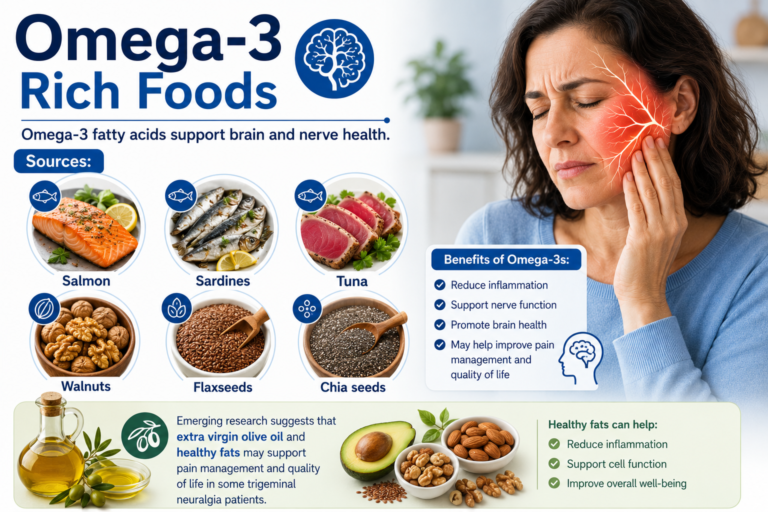
Emerging research suggests that extra virgin olive oil and healthy fats may support pain management and quality of life in some trigeminal neuralgia patients.
Many patients struggle with chewing due to facial pain.
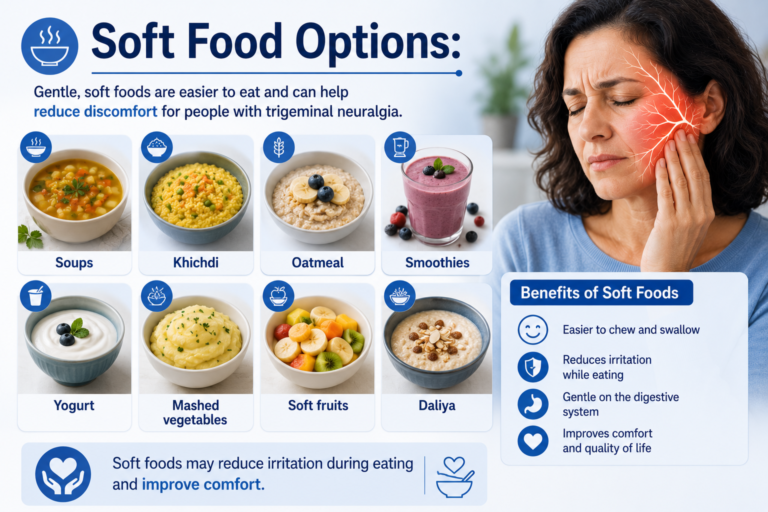
Soft foods may reduce irritation during eating and improve comfort.
Protein supports tissue repair and overall health.
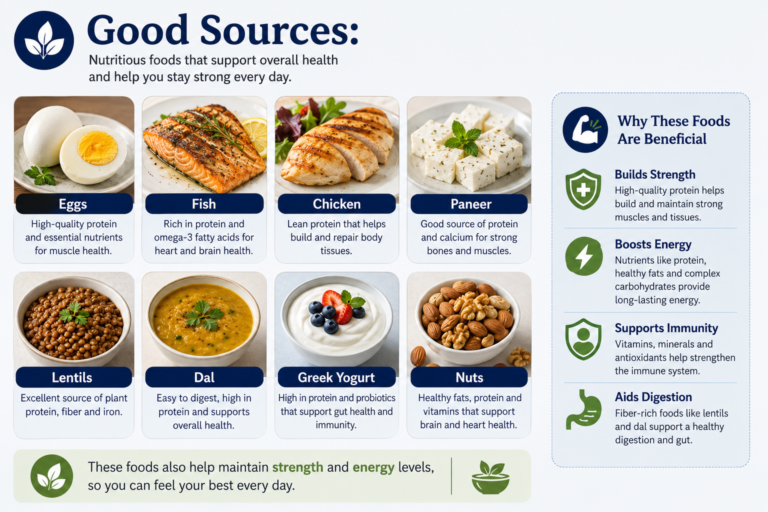
These foods also help maintain strength and energy levels.
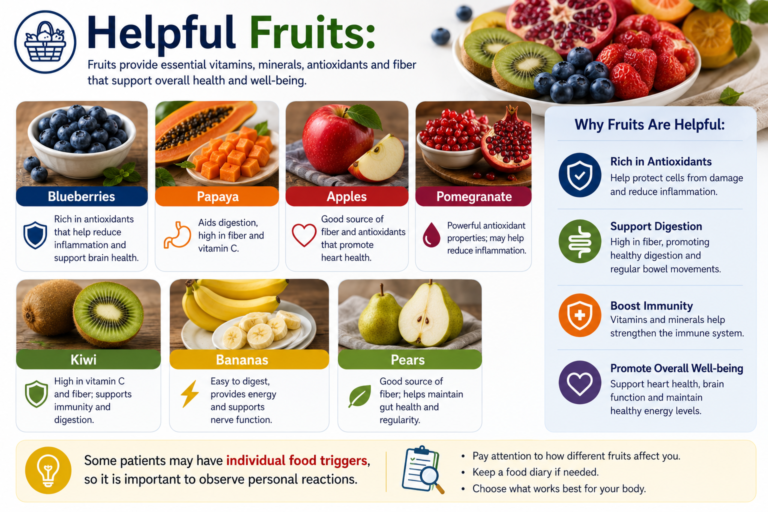
Some patients may have individual food triggers, so it is important to observe personal reactions.
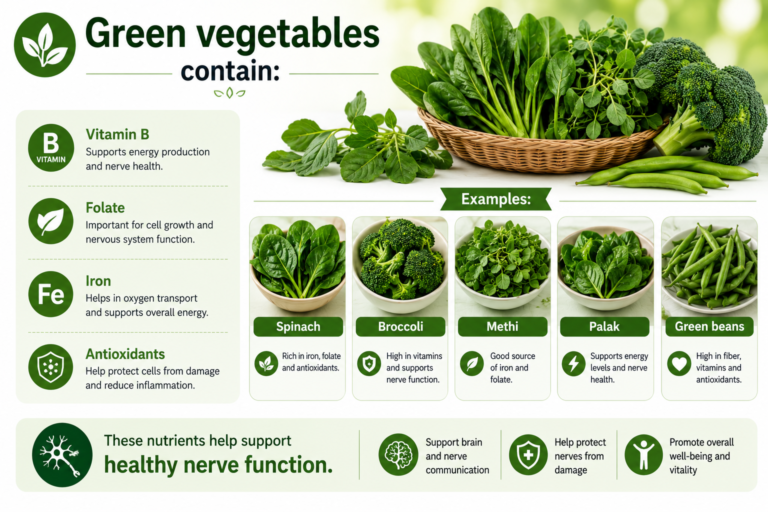
Green vegetables contain:
These nutrients help support healthy nerve function.
Many patients notice certain foods trigger or worsen facial pain.
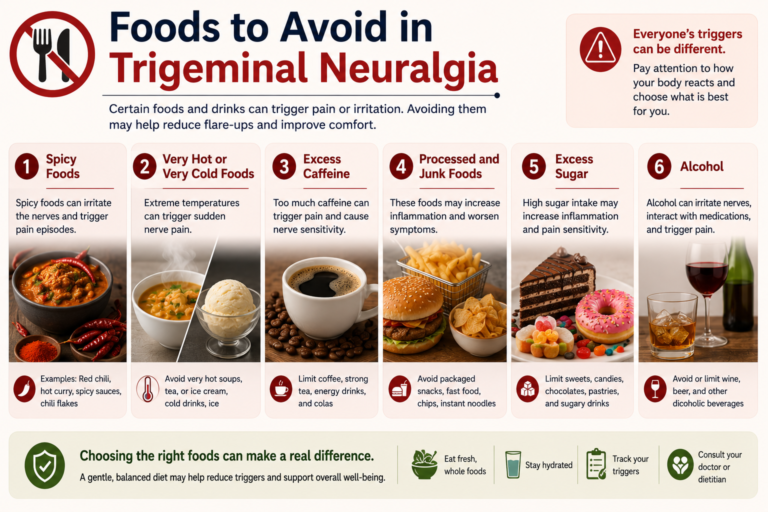
Spicy foods may stimulate nerve endings and trigger painful episodes.
Extreme temperatures may irritate the trigeminal nerve.
Some patients find room-temperature foods easier to tolerate.
Caffeine may increase nerve excitability in some individuals.
Reducing caffeine intake may help certain patients.
Highly processed foods may increase inflammation.
High sugar intake may contribute to inflammation and poor nerve health.
Alcohol may worsen nerve sensitivity and trigger flare-ups in some patients.
Many specialists recommend minimizing or avoiding alcohol if symptoms worsen after consumption.
Proper hydration supports:
Staying hydrated is especially important for patients who have difficulty eating regular meals.
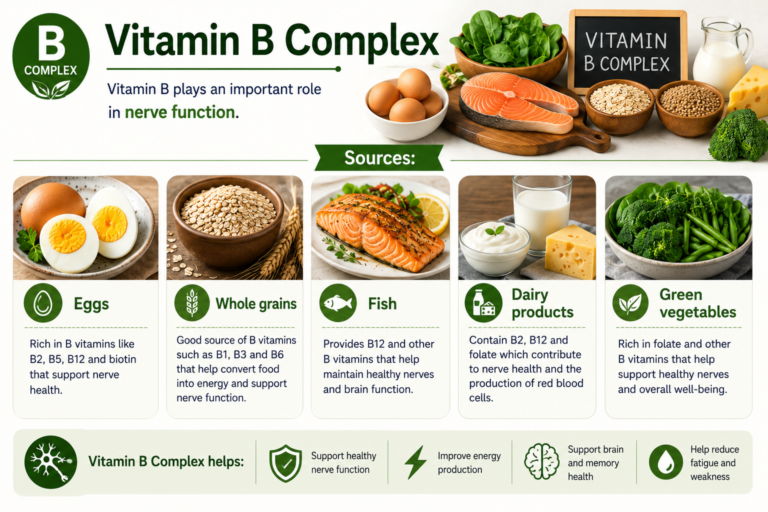
Vitamin B plays an important role in nerve function.
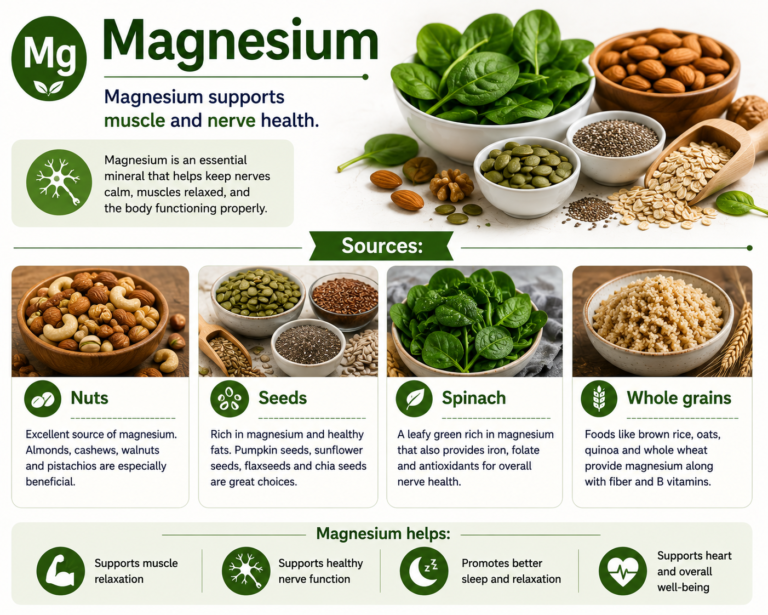
Magnesium supports muscle and nerve health.
Omega-3 fats may support neurological health and help reduce inflammation.
Eat Smaller Meals
Smaller meals may reduce chewing fatigue.
Choose Softer Textures
Soft foods may reduce pain triggers while eating.
Eat Slowly
Slow eating may reduce facial strain.
Track Food Triggers
Keeping a food diary may help identify foods that worsen symptoms.
Avoid Skipping Meals
Proper nutrition supports overall nerve health and energy.
Lifestyle Tips Along With Nutrition
Nutrition works best when combined with:
Managing stress is important because anxiety and tension may worsen pain episodes in some patients.
When to Consult a Specialist
Consult a neurologist or neurosurgeon if:
Early treatment often improves long-term outcomes.
Final Thoughts
Proper nutrition cannot cure trigeminal neuralgia, but it may help support nerve health, reduce inflammation, improve energy levels, and make eating more comfortable. A balanced diet rich in anti-inflammatory foods, omega-3 fatty acids, fruits, vegetables, lean proteins, and adequate hydration may contribute to better overall well-being.
Combining healthy nutrition with medical treatment, stress management, and professional neurological care often provides the most effective approach for managing trigeminal neuralgia symptoms.
Answer: No. Diet cannot cure trigeminal neuralgia, but a balanced, nutrient-rich eating plan may support nerve health, reduce inflammation, and make eating more comfortable. Nutrition should always complement, not replace, medical treatment.
Answer: Foods rich in omega-3 fatty acids, leafy green vegetables, berries, lean proteins, whole grains, and antioxidant-rich fruits may help support nerve health. Soft foods such as soups, yogurt, oatmeal, khichdi, and smoothies can also make eating less painful.
Answer: Many patients find that spicy foods, very hot or cold foods, processed foods, excessive sugar, alcohol, and too much caffeine may worsen symptoms. Since triggers vary, keeping a food diary can help identify foods that trigger pain.
Answer: Yes. Soft foods require less chewing, which may reduce irritation of the trigeminal nerve and lower the risk of triggering painful facial attacks during meals.
Answer: Vitamins such as B-complex, especially when correcting a deficiency, along with minerals like magnesium, may support normal nerve function. However, supplements should only be taken after consulting a healthcare professional and should not replace prescribed treatment.
Answer: Staying well hydrated supports overall nerve function and general health. Drinking enough water, soups, coconut water, and other healthy fluids may also help patients who find it difficult to eat regular meals.
Answer: Omega-3 fatty acids found in fish, walnuts, flaxseeds, and chia seeds have anti-inflammatory properties and support nerve health. While they are not a treatment for trigeminal neuralgia, they may contribute to overall neurological well-being as part of a healthy diet.
Answer: You should consult a neurologist or neurosurgeon if facial pain becomes severe, episodes become more frequent, medications stop working, eating becomes difficult, or you experience unexplained weight loss. Early evaluation can help identify the most appropriate treatment options.
WhatsApp us