
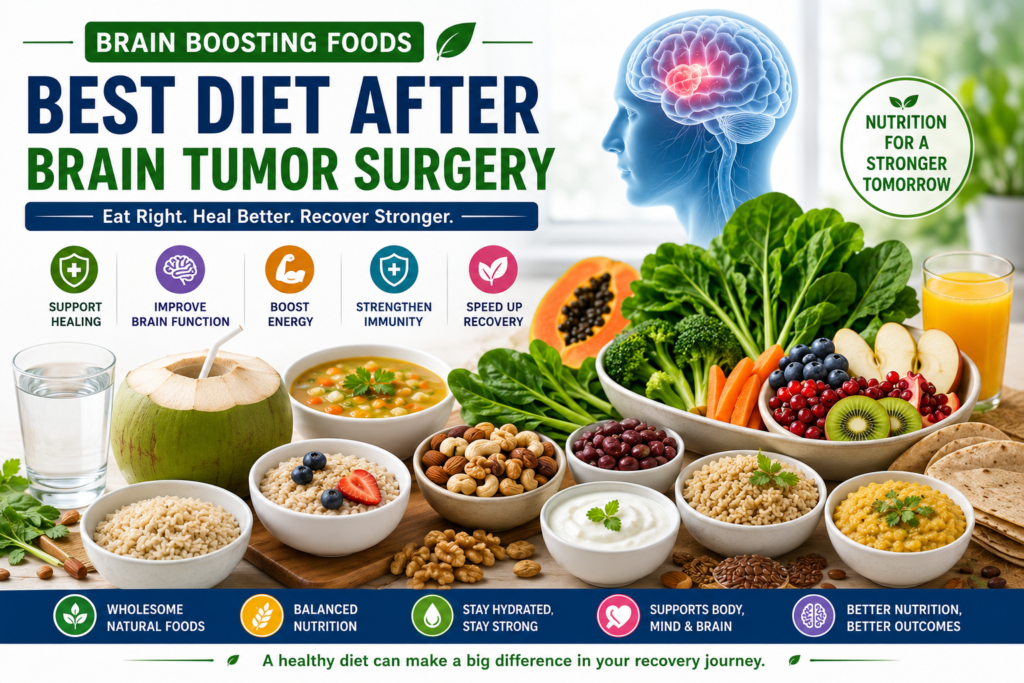
Recovery after brain surgery requires proper medical care, rehabilitation, rest, and good nutrition. Many patients and families often ask:
A healthy and balanced brain surgery recovery diet can help support healing, improve strength, reduce fatigue, and support overall brain function during recovery.
Whether a patient has undergone surgery for a brain tumor, epilepsy, trauma, or DBS surgery, nutrition plays an important role in recovery and rehabilitation.
After brain surgery, the body requires additional nutrients to:
A proper diet after brain surgery may also help patients recover strength faster and improve overall well-being.
The recommended diet after brain tumor surgery should focus on:
Patients recovering after DBS surgery or other neurological procedures should also maintain balanced nutrition for optimal healing.
After brain tumor surgery, the body undergoes a process of healing and regeneration. During this time, it is important to focus on foods that nourish the body and support brain health. A diet rich in antioxidants, proteins, essential vitamins, and minerals can further promote recovery and enhance cognitive function.
Research has indicated a strong connection between diet and cognitive function. Brain cancer treatment, can be more effective when combined with the right diet. Consuming brain-boosting foods can enhance memory, concentration, and overall cognitive abilities, which are particularly vital for patients recovering from brain tumor surgery. By incorporating specific nutrients into one’s diet, individuals can potentially improve their brain health and aid in the recovery journey.
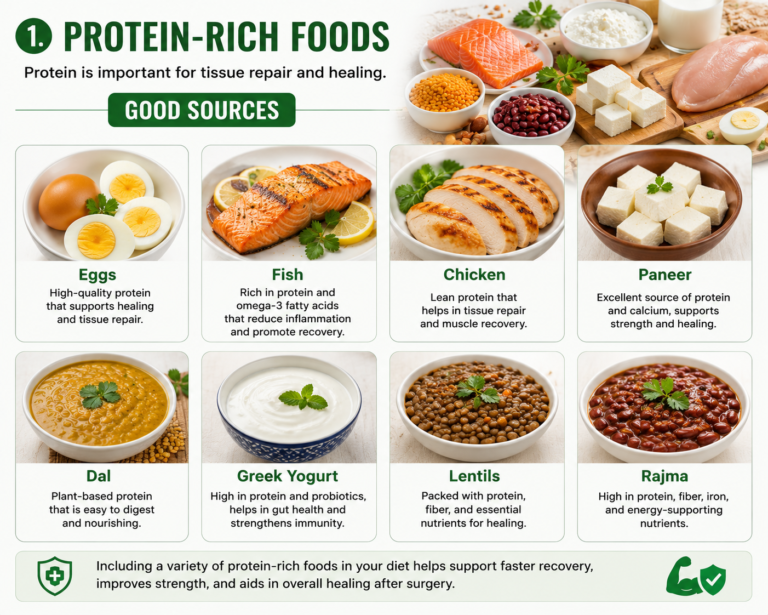
Protein is important for tissue repair and healing.
Many people ask if rajma is healthy after surgery. Rajma is rich in:
It can be included in moderation if digestion is comfortable.
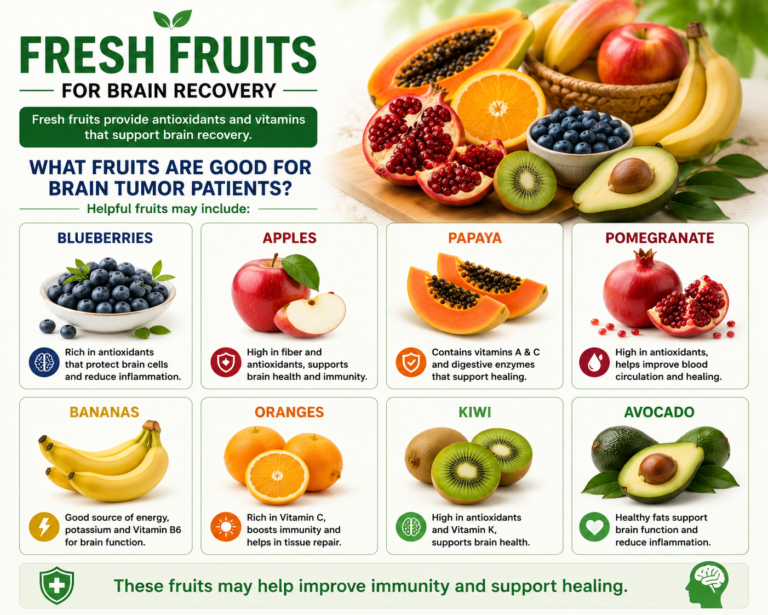
Fresh fruits provide antioxidants and vitamins that support brain recovery.
Helpful fruits may include:
These fruits may help improve immunity and support healing.
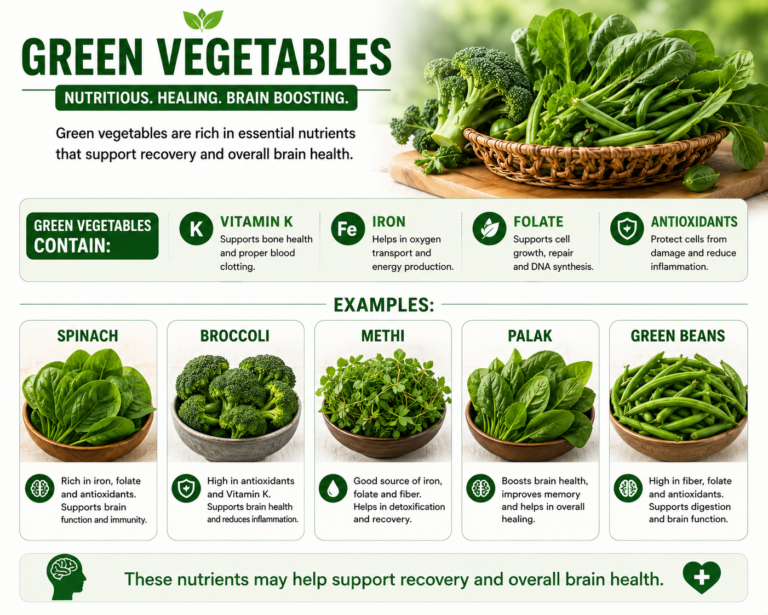
Green vegetables contain:
Examples:
These nutrients may help support recovery and overall brain health.
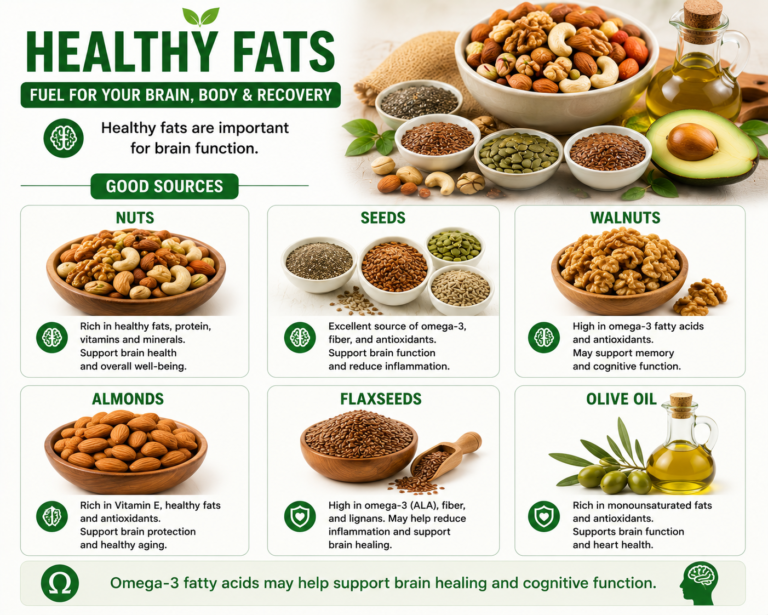
Healthy fats are important for brain function.
Omega-3 fatty acids may help support brain healing and cognitive function.
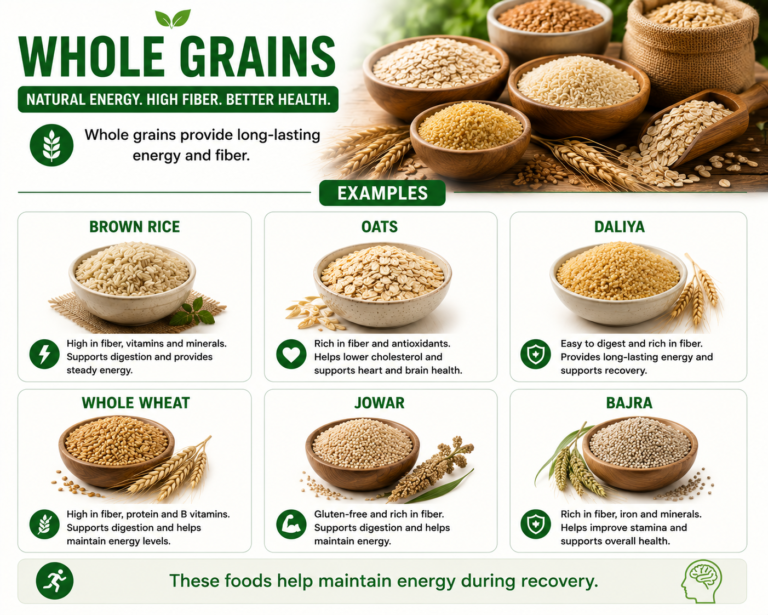
Whole grains provide long-lasting energy and fiber.
These foods help maintain energy during recovery.
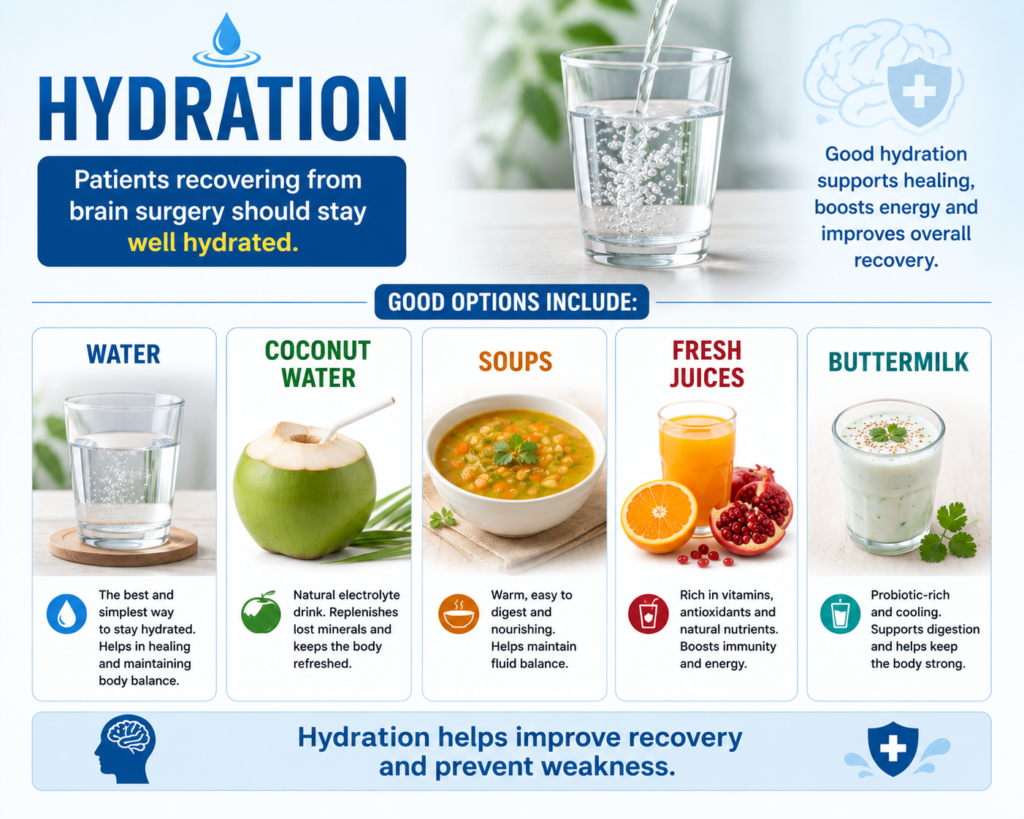
Patients recovering from brain surgery should stay well hydrated.
Good options include:
Hydration helps improve recovery and prevent weakness.
Antioxidants are known for their ability to fight off harmful free radicals and protect the body’s cells from damage. For patients recovering from brain tumor surgery, incorporating antioxidant-rich foods into their diet is essential. These foods help reduce inflammation and oxidative stress, supporting brain health and promoting recovery.

Berries, such as blueberries, strawberries, and blackberries, are nature’s antioxidant powerhouse. They are packed with vitamins, minerals, and phytochemicals that not only provide antioxidative benefits but also support overall brain health. Including a variety of berries in the diet can improve cognitive function and memory, as well as protect the brain from further damage.
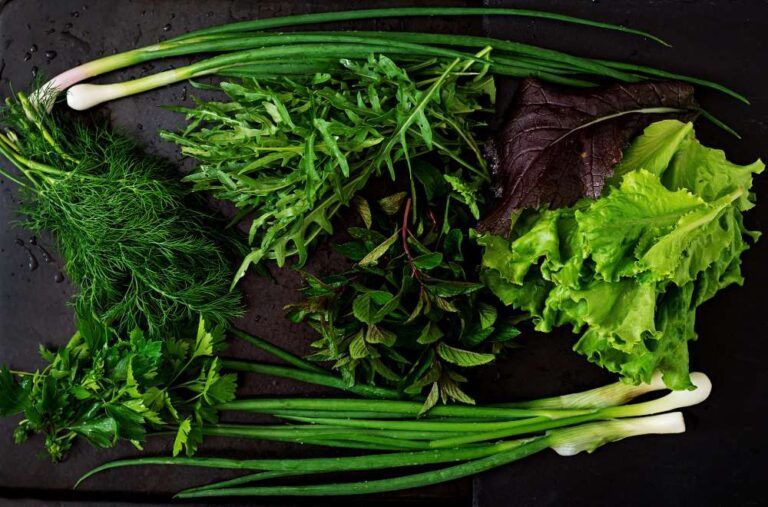
Dark leafy greens, such as kale, spinach, and Swiss chard, are rich in essential nutrients like vitamins A, C, and K, as well as folate and iron. These nutrients play a significant role in maintaining brain health and act as a supportive nutrition in post-surgery recovery. Incorporating dark leafy greens into daily meals can provide the brain with vital nutrients, improve blood flow, and enhance cognitive function.

Nuts and seeds, such as walnuts, almonds, and flaxseeds, are excellent sources of healthy fats, omega-3 fatty acids, and antioxidants. These components play a crucial role in supporting brain health and cognitive function. Including a handful of nuts and seeds in one’s diet can help reduce inflammation, protect the brain against oxidative stress, and support overall brain recovery.
Protein is essential for tissue healing and repair, making it a key component of post-surgery recovery. Protein is like the builder of your body. After brain tumour surgery, you need extra protein, and ours doctors for brain cancer treatment can guide you on this. Incorporating protein-packed foods into the diet can support the regeneration of damaged tissues and aid in the healing process.
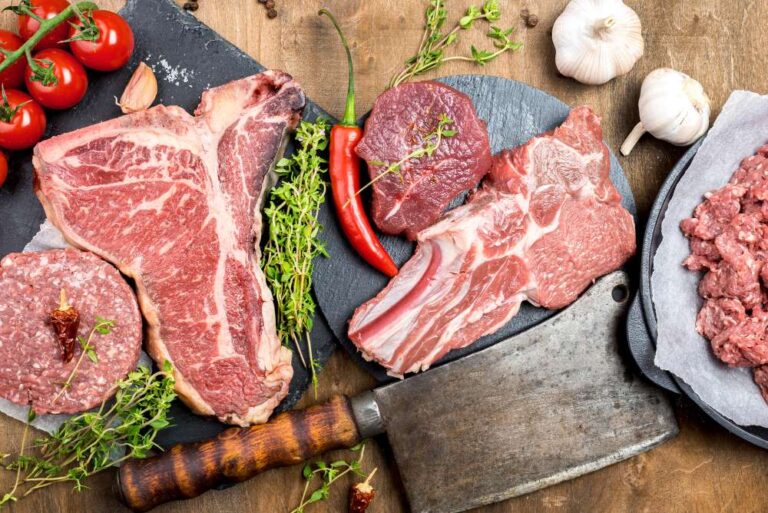
Lean meats, such as chicken, turkey, and fish, are excellent sources of high-quality protein. They provide the body with essential amino acids that are crucial for tissue repair and the synthesis of new cells. Including lean meats in the diet can enhance muscle strength, promote wound healing, and support overall recovery.
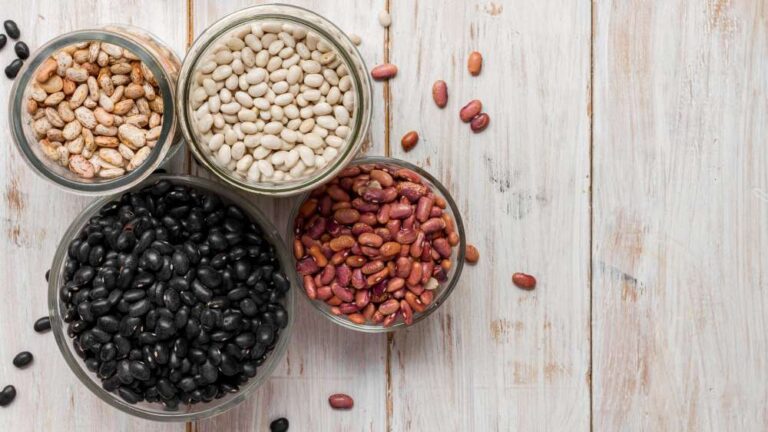
Legumes, including beans, lentils, and chickpeas, are not only rich in protein but also high in fiber and various vitamins and minerals, which is good for your digestion, a helpful factor with our brain tumor surgery recovery in India. This combination makes legumes a valuable addition to the diet of patients and make his brain tumor surgery recovery time shorter. The protein in legumes aids in tissue repair, while the fiber supports a healthy digestive system, ensuring optimal nutrient absorption.
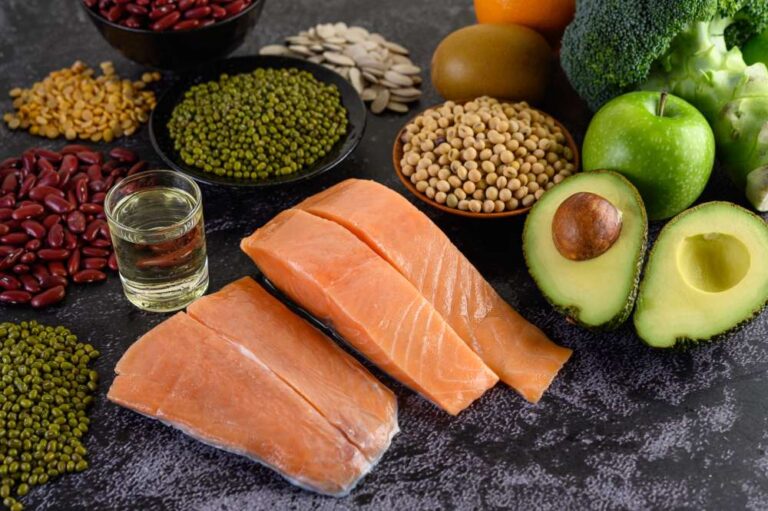
Omega-3 fatty acids are known for their anti-inflammatory properties, which can be benefit patients in their brain tumor surgery recovery time. Fatty fish, such as salmon and mackerel, as well as chia seeds and flaxseeds, are excellent sources of omega-3s. Including these foods in the diet can help reduce inflammation, support brain health, and facilitate the healing process.
The brain tumor surgery recovery time can vary depending on several factors such as the size and location of the tumor, the type of surgery performed, and the individual’s overall health. Generally, it can take several weeks to a few months for a person to fully recover from brain tumor surgery. Maintaining electrolyte balance is crucial for brain health and overall recovery. Electrolytes like sodium, potassium, and magnesium play a key role in nerve signaling and maintaining proper fluid balance within the body. Foods like bananas (rich in potassium) and coconut water can help restore this balance at our renowned brain tumor surgery and treatment hospital in Mumbai.
Certain vitamins and minerals are particularly essential for cognitive support and brain health. Including these nutrients in the diet can enhance memory, concentration, and overall cognitive function.
The B vitamins, including B6, B12, and folate, are vital for brain health and cognitive function. They support the production of neurotransmitters, chemicals that help transmit signals in the brain. Foods rich in vitamin B complex, such as leafy greens, legumes, and whole grains, can provide the brain with the necessary nutrients for optimal functioning.
It can reduce negative emotions hence can make you concentrate on right and positive thinking
• It actually improves focus and thus makes you more calm and stable
• It may lead to less emotional stress and anxiety in you
• It may also lead a better sound sleep, which is actually very much needed for PD patients.
On a cold winter evening, six women and two men sat in silence in an office near Harvard Square, practicing mindfulness meditation. Sitting upright, eyes closed, palms resting on their laps, feet flat on the floor, they listened as course instructor Suzanne Westbrook guided them to focus on the present by paying attention to their bodily sensations, thoughts, emotions, and especially their breath. Our mind wanders all the time, either reviewing the past or planning for the future,” said Westbrook, who before retiring last June was an internal-medicine doctor caring for Harvard students. “Mindfulness teaches you the skill of paying attention to the present by noticing when your mind wanders off. Come back to your breath. It’s a place where we can rest and settle our minds.” By Havard.edu. Know more
Minerals like zinc and magnesium are crucial for maintaining optimal brain health. Zinc plays a role in neurotransmitter synthesis, while magnesium supports nerve function and regulation of mood. Foods like oysters, pumpkin seeds, and dark chocolate are excellent sources of these minerals and can support cognitive support and post-surgery recovery.
Patients recovering from brain tumor surgery requires a comprehensive approach to healing, and proper nutrition is a vital component of that process. Eating antioxidant-rich foods, getting enough protein, and ensuring you have essential vitamins and minerals can support your brain’s healing and boost your overall recovery. It is essential to consult with a healthcare professional or registered dietitian to develop an individualized nutrition plan that addresses specific post-surgery needs. Remember, your body is a remarkable machine, and with the right fuel, it can work wonders on your road to recovery at a leading brain tumor surgery and treatment.
Many patients ask:
“What foods should I avoid after brain surgery?”
Certain foods may slow recovery or increase inflammation.
Limiting unhealthy foods can support better healing and recovery.
A healthy brain tumor patient diet should focus on:
Patients who experience nausea, swallowing difficulty, or fatigue may benefit from softer foods like:
People often ask:
“What are the best foods for brain cancer patients?”
Nutritious foods that may support overall health include:
There is no scientifically proven diet that cures brain tumors, but healthy nutrition can support recovery and quality of life.
Some people search for:
“Foods that shrink brain tumors”
Currently, no food has been scientifically proven to shrink or cure brain tumors on its own. However, a nutritious diet rich in antioxidants and anti-inflammatory foods may support overall health during treatment and recovery.
Nutrition should always complement medical treatment, not replace it.
Many vitamins help support brain function and recovery.
Important nutrients include:
These nutrients may support:
Always consult your doctor before taking supplements.
Many Indian families ask:
“Brain surgery ke baad kya khana chahiye?”
Simple and healthy foods are usually preferred during recovery.
Avoid oily and spicy foods during early recovery unless advised otherwise by your doctor.
Eat Small Frequent Meals
Smaller meals are easier to digest and may reduce nausea.
Focus on Protein
Protein supports healing and muscle recovery.
Include Fiber
Fiber helps digestion and prevents constipation.
Maintain Hydration
Drink enough fluids throughout the day.
Every patient’s nutritional needs may vary depending on:
Recovery depends on several factors including:
Many patients recover well with proper treatment, rehabilitation, nutrition, and medical support.
Many people search for:
“Best neurosurgeon in Mumbai for brain tumor”
Patients should look for:
Choosing an experienced medical team is important for the best possible outcomes.
A healthy and balanced diet after brain surgery plays an important role in supporting healing, improving energy, and maintaining overall brain health. Nutritious foods such as fruits, vegetables, proteins, whole grains, nuts, and adequate hydration can help patients recover more comfortably after brain tumor surgery or other neurological procedures.
Proper nutrition, rehabilitation, medical treatment, and emotional support together contribute significantly to long-term recovery and quality of life after brain surgery.
At Jaslok Hospital, we take immense pride in being the best brain tumor surgery & treatment hospital in Mumbai. Our commitment to excellence and patient-centered care sets us apart as a leading healthcare destination in the bustling heart of Mumbai. Our Department of Neurological Surgery at Jaslok Hospital boasts a team of highly skilled and experienced neurosurgeons, supported by state-of-the-art technology, ensuring you receive the best care possible. We continually invest in the latest surgical techniques and equipment to offer you the most advanced brain tumor treatment options available. Your well-being is our priority. Our compassionate staff provides support at every step of your journey, from diagnosis through treatment and recovery.
WhatsApp us