

Facial pain and toothache are among the most common reasons people seek medical or dental care. However, not every severe tooth pain is caused by a dental problem. In many cases, patients suffering from trigeminal neuralgia are initially diagnosed with dental pain because the symptoms can appear very similar.
Trigeminal neuralgia is a neurological condition that causes sudden, severe, electric shock-like facial pain. Since the trigeminal nerve supplies sensation to the teeth, gums, jaw, and face, the pain is often mistaken for a tooth infection or dental disease. As a result, some patients undergo unnecessary dental procedures such as root canals or tooth extractions before receiving the correct diagnosis.
Understanding the difference between dental pain and trigeminal neuralgia is essential for proper treatment and long-term relief.
Trigeminal neuralgia is a chronic pain condition affecting the trigeminal nerve, the main nerve responsible for facial sensation. The condition causes sudden episodes of intense facial pain, usually on one side of the face.
The pain is often described as:
These painful attacks may last from a few seconds to a couple of minutes and can recur multiple times throughout the day.
In many patients, simple everyday activities can trigger the pain, including:
Because the pain commonly affects the jaw, gums, or teeth, it is frequently confused with dental pain.
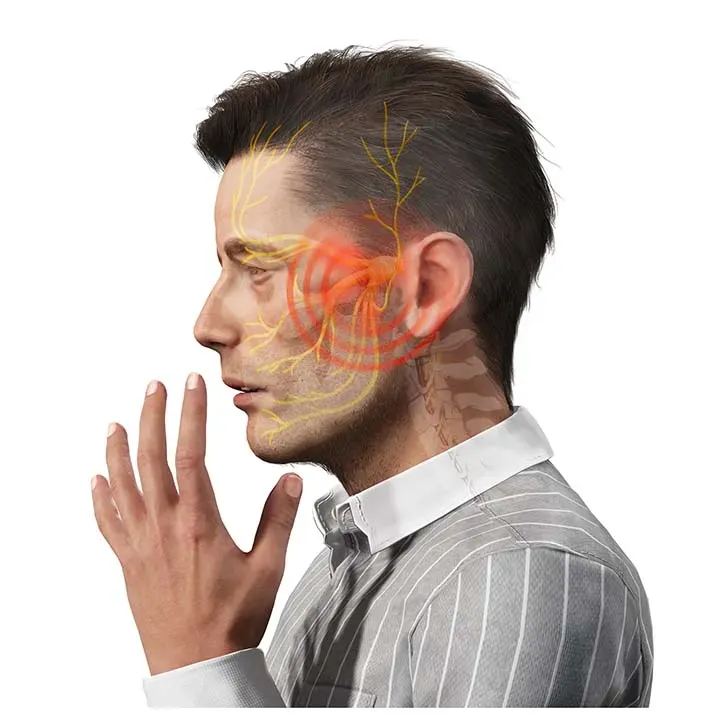
Recent research continues to show that many patients with trigeminal neuralgia (TN) first visit a dentist because the pain feels like a severe toothache. This can lead to unnecessary dental procedures such as root canal treatments or tooth extractions before the correct neurological diagnosis is made. A careful dental and neurological evaluation is essential when no dental cause is identified.
One of the distinguishing features of trigeminal neuralgia is the presence of trigger zones. Light activities such as brushing teeth, washing the face, chewing, talking, shaving, or even a cool breeze can trigger sudden, electric shock-like facial pain. Dental pain is usually continuous and related to inflammation or infection of a tooth rather than light touch.
Unlike dental infections, trigeminal neuralgia usually does not produce abnormalities on dental X-rays or oral examination. If severe tooth pain persists despite normal dental findings, referral to a neurologist for further evaluation, including MRI when appropriate, may be recommended.
Experts emphasize that recognizing the characteristic pattern of trigeminal neuralgia can prevent avoidable dental procedures. Patients with repeated episodes of severe, short-lasting facial pain without obvious dental disease should undergo neurological assessment before additional dental interventions are considered.
Once trigeminal neuralgia is diagnosed, treatment focuses on the affected nerve rather than the teeth. Depending on the severity, management may include medications such as carbamazepine or oxcarbazepine, and for suitable patients, procedures such as Microvascular Decompression (MVD), Radiofrequency Ablation, or Gamma Knife Radiosurgery.
The trigeminal nerve has three major branches that supply sensation to different parts of the face:
When the nerve branch supplying the jaw or teeth becomes affected, patients may experience pain that feels exactly like a severe toothache.
Many patients visit a dentist first because they believe they have:
However, unlike typical dental pain, trigeminal neuralgia pain usually appears suddenly, occurs in brief attacks, and may not show any abnormalities on dental X-rays or scans.
Feature | Dental Pain | Trigeminal Neuralgia |
Nature of Pain | Dull, throbbing, aching | Sharp, electric shock-like |
Duration | Continuous or prolonged | Sudden attacks lasting seconds |
Trigger | Hot/cold foods, biting | Touch, talking, brushing, chewing |
Location | Specific tooth or gum | One side of the face or jaw |
Dental Examination | Usually abnormal | Often normal |
Pain Pattern | Constant discomfort | Repeated sudden episodes |
Response to Dental Treatment | Usually improves | Often persists |
Patients with trigeminal neuralgia may experience:
The condition most commonly affects the lower face and jaw, making it easy to mistake for a dental issue.
You should consider trigeminal neuralgia if:
Many patients with trigeminal neuralgia undergo unnecessary dental procedures before the correct diagnosis is made.
No. Since trigeminal neuralgia is a nerve disorder and not a dental disease, dental treatments alone cannot cure the condition.
Unfortunately, some patients may undergo:
without experiencing relief because the actual source of pain lies within the trigeminal nerve.
If severe facial pain persists despite dental treatment, a neurological evaluation becomes extremely important.
The most common cause is compression of the trigeminal nerve by a nearby blood vessel. Over time, this pressure can damage the protective covering of the nerve, leading to abnormal pain signals.
Other possible causes include:
A detailed neurological examination and MRI scan may help identify the underlying cause.
Diagnosis is usually based on:
Since there is no single blood test for trigeminal neuralgia, accurate diagnosis depends heavily on recognizing the typical symptoms and excluding dental causes.
Treatment depends on the severity of symptoms and the patient’s overall condition.
Medications
Doctors may initially prescribe medications that help calm abnormal nerve activity and reduce pain attacks.
Microvascular decompression is a surgical procedure performed to relieve pressure on the trigeminal nerve caused by blood vessels. It is considered one of the most effective long-term treatments for trigeminal neuralgia.
This minimally invasive procedure helps interrupt pain signals from the affected nerve.
Gamma Knife treatment uses focused radiation to target the trigeminal nerve without open surgery.
In complex or severe cases, patients may require specialized evaluation by experienced neurosurgeons such as Dr. Paresh Doshi, who specializes in movement disorders and complex neurological conditions.
When Should You Consult a Neurosurgeon?
You should seek neurological evaluation if:
Early diagnosis and appropriate treatment can significantly improve quality of life and prevent unnecessary dental procedures.
Conclusion
Trigeminal neuralgia is one of the most painful neurological conditions and is frequently mistaken for dental pain. While both conditions may affect the teeth and jaw, trigeminal neuralgia typically causes sudden, electric shock-like facial pain that may not respond to routine dental treatment.
Recognizing the warning signs early is crucial. If you or your loved one experiences severe facial pain without a clear dental cause, consulting a neurologist or neurosurgeon can help identify the real problem and guide appropriate treatment.
Yes. Trigeminal neuralgia often causes pain in the jaw or teeth, making it feel similar to a severe toothache.
Because the pain affects areas around the teeth and jaw, many patients initially visit a dentist before seeing a neurologist or neurosurgeon.
No. Since trigeminal neuralgia is caused by nerve dysfunction, dental procedures alone usually do not resolve the condition.
Patients commonly describe it as sudden electric shock-like, stabbing, or shooting facial pain.
Neurologists and neurosurgeons experienced in facial pain disorders typically diagnose and treat trigeminal neuralgia.
Dental pain is usually continuous, throbbing, and associated with tooth decay, infection, or gum disease. Trigeminal neuralgia typically causes sudden, severe, electric shock-like pain lasting from a few seconds to two minutes and may be triggered by touching the face, chewing, or brushing the teeth.
Yes. Trigeminal neuralgia often causes pain in the teeth, gums, or jaw, making it feel like a severe toothache. This is one reason why the condition is sometimes mistaken for a dental problem.
Because the trigeminal nerve supplies sensation to the teeth, gums, and jaw, pain originating from the nerve can closely resemble dental pain. Many patients initially seek treatment from a dentist before receiving the correct diagnosis.
If you have persistent tooth or jaw pain, visit a dentist first to rule out common dental conditions. If your dental examination and X-rays are normal but severe facial pain continues, consult a neurologist or neurosurgeon for further evaluation.
No. Dental X-rays are useful for identifying tooth decay, abscesses, or other dental problems, but trigeminal neuralgia usually does not appear on dental X-rays. An MRI may be recommended to evaluate the trigeminal nerve and rule out other neurological conditions.
No. Root canal treatment, fillings, or tooth extraction will not cure trigeminal neuralgia unless a genuine dental problem is present. Treating the underlying nerve disorder is essential for long-term pain relief.
Warning signs include sudden electric shock-like pain, attacks lasting seconds to minutes, pain triggered by chewing, brushing teeth, talking, shaving, or touching the face, and normal dental examinations despite severe symptoms.
You should seek evaluation by a neurologist or neurosurgeon if facial pain is severe, recurrent, triggered by light touch, does not improve after dental treatment, or significantly interferes with eating, speaking, or daily activities.
WhatsApp us