
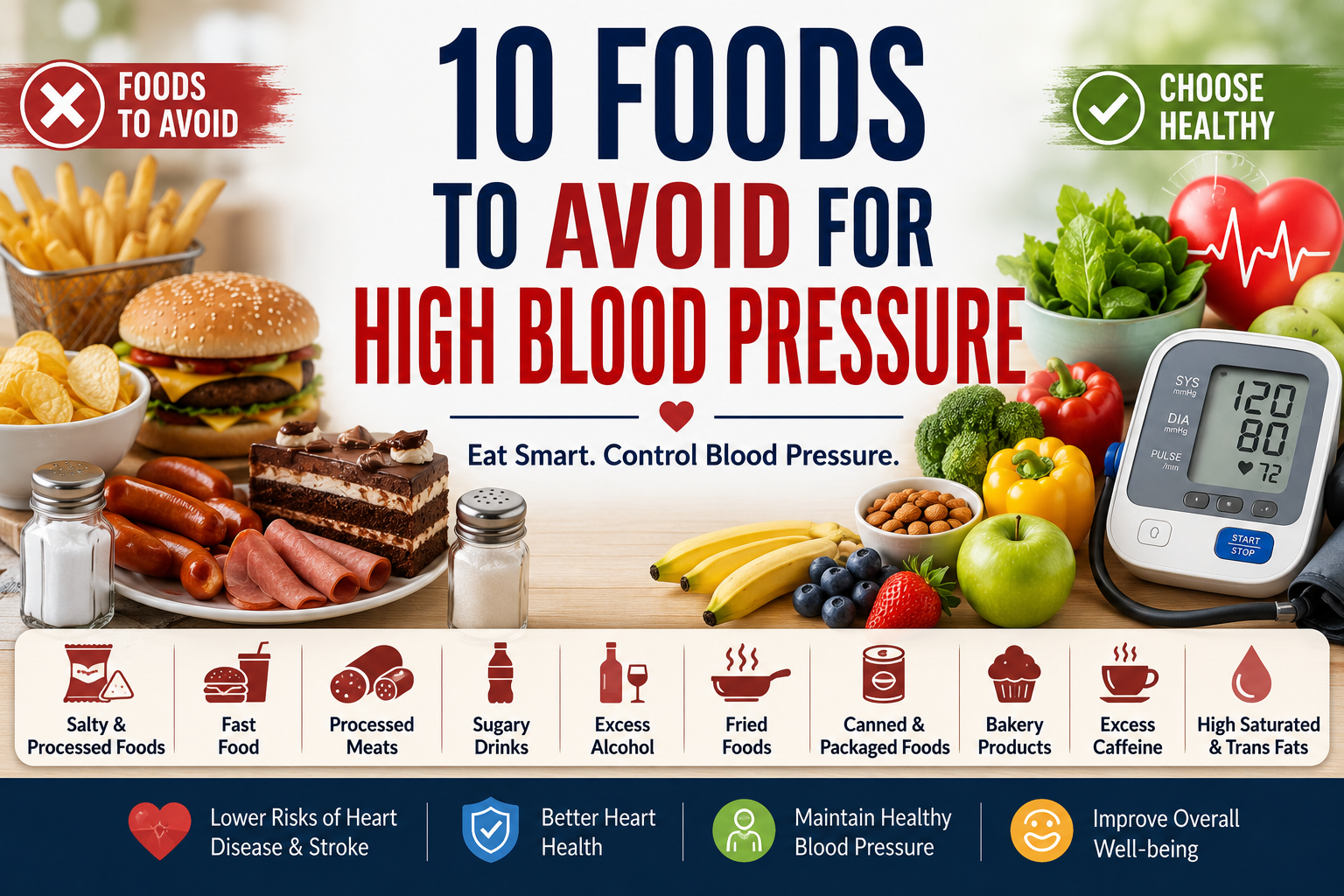
High blood pressure, also known as hypertension, is a common health condition that can increase the risk of heart disease, stroke and kidney damage if left uncontrolled. Along with prescribed medication and regular monitoring, dietary changes can play an important role in managing blood pressure.
For many Indian households, excess salt does not come only from the salt added during cooking. Pickles, papad, namkeen, packaged snacks, instant foods and restaurant meals can contribute substantial amounts of sodium to the daily diet.
Understanding which foods to limit, what to eat instead and how to make small, sustainable changes can help support better blood pressure management.
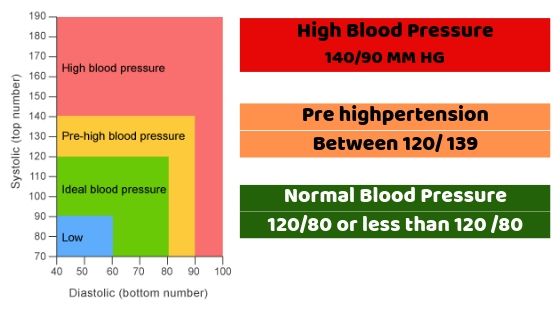
Sodium, a mineral found in common salt, helps regulate fluid balance in the body. However, consuming too much sodium can cause the body to retain more water, increasing the volume of blood circulating through the blood vessels and raising blood pressure in susceptible individuals.
Diets high in saturated fats, excess calories and added sugars can also contribute to weight gain and metabolic problems, which may increase cardiovascular risk and make blood pressure harder to manage.
The World Health Organization recommends that adults consume less than 2,000 mg of sodium per day, equivalent to less than 5 grams of salt from all sources combined. This includes salt already present in packaged foods, sauces and other ingredients, not just the salt added at the table.
Mango pickle, lemon pickle, chilli pickle and other traditional Indian pickles are often prepared using substantial amounts of salt. Salt is used for preservation, which means even a small serving can contribute meaningfully to daily sodium intake.
Why limit them: Excess sodium can promote fluid retention and increase blood pressure in salt-sensitive individuals.
Healthier alternatives: Try fresh cucumber, carrot or onion salad with lemon juice, coriander, mint and spices. If you enjoy pickles, keep portions small and avoid having them with every meal.
Papad is commonly served with dal, rice, roti and festive meals. Commercial papad varieties can contain significant amounts of salt, while additional salt or chaat masala may increase the total sodium content further.
Why limit them: Sodium adds up across the meal, especially when papad is eaten alongside pickles, chutneys and salted curries.
Healthier alternatives: Choose fresh salads, unsalted roasted makhana or a small portion of unsalted roasted chana. If you eat papad occasionally, avoid adding extra salt and consider a smaller portion.
Bhujia, sev, mixtures, salted peanuts, potato chips and packaged farsan are common tea-time snacks. They can contain considerable amounts of sodium, and many varieties are also high in calories and fat.
Why limit them: Excess sodium can contribute to elevated blood pressure, while frequent consumption of energy-dense snacks may contribute to weight gain.
Healthier alternatives: Choose fresh fruit, unsalted nuts in measured portions, roasted chana or homemade popcorn with minimal salt.
Instant noodles, soup powders, ready-to-eat curries, frozen parathas, packaged sauces and convenience meals may contain added salt and sodium-based ingredients.
Why limit them: Their sodium content can be unexpectedly high, even when the food does not taste particularly salty.
Healthier alternatives: Prepare homemade dal, vegetable khichdi, vegetable poha or fresh vegetable soup. Use herbs, garlic, ginger, lemon and spices for flavour rather than relying on seasoning packets.
Processed meats such as sausages, salami, bacon, ham and certain preserved meat products may contain substantial amounts of sodium. Some are also high in saturated fat.
Why limit them: Sodium can raise blood pressure, while high consumption of processed meat is associated with broader cardiovascular and other health risks.
Healthier alternatives: Consider fresh, unprocessed fish or skinless chicken prepared with less salt, or plant-based protein sources such as dal, beans, chickpeas and tofu.
Restaurant gravies, biryani, pizza, burgers, Chinese-style takeaways, soy sauce, ketchup, packaged chutneys and commercial dressings can all contribute hidden sodium.
Why limit them: Restaurant portions and sauces may contain more salt than expected, making it difficult to estimate your daily intake.
Healthier alternatives: Ask for less salt and sauces on the side. Choose grilled or steamed dishes, plain roti, dal, vegetables and other freshly prepared options when available.
Frequent consumption of samosas, kachori, pakoras, puri, bhatura and deep-fried snacks can add substantial calories to the diet. Salt, chutneys and accompanying sauces may increase the sodium content further.
Why limit them: Fried foods can contribute to excess calorie intake, weight gain and an unfavourable cardiovascular risk profile, particularly when eaten frequently.
Healthier alternatives: Choose steamed idli, dhokla prepared with less salt, baked snacks or homemade dishes prepared with modest amounts of oil. Portion size and frequency matter.
Foods such as fatty meat, butter-heavy dishes, cream-rich gravies, some bakery products and products containing partially hydrogenated fats may contribute to unhealthy blood lipid levels.
Why limit them: Saturated and trans fats can adversely affect cholesterol levels and cardiovascular health. Their effect on blood pressure is not necessarily immediate, but they can contribute to overall cardiovascular risk.
Healthier alternatives: Use moderate amounts of unsaturated vegetable oils, include pulses and other plant proteins, and choose leaner protein sources and lower-fat dairy options where appropriate.
Soft drinks, sweetened tea and coffee, packaged sweet beverages, mithai, cakes, biscuits and desserts can add substantial amounts of sugar to the diet.
Why limit them: Excess added sugar can contribute to weight gain and metabolic problems, which may increase the risk of hypertension and cardiovascular disease.
Healthier alternatives: Reduce sugar in tea gradually, choose water or unsweetened beverages, and enjoy sweets in smaller portions and less frequently. Jaggery and honey are also added sugars and are not blood-pressure-friendly substitutes when consumed in excess.
Extra salt may be added to roti dough, rice, dal, curries, salads, raita, chaas and fruit. Chaat masala, seasoning powders, baking soda and certain commercial spice mixes can add further sodium.
Why limit it: Total sodium intake comes from the entire day’s diet. Reducing only table salt may not be enough if packaged foods and salty accompaniments remain frequent.
Healthier alternatives: Gradually reduce added salt. Enhance flavour with lemon, garlic, ginger, cumin, coriander, black pepper, mint and other herbs and spices.
A blood-pressure-friendly diet does not require abandoning familiar Indian meals. The aim is to balance food groups, reduce sodium and favour minimally processed foods.
Breakfast: Vegetable poha with limited salt, idli with homemade chutney, or oats with vegetables.
Lunch: Roti or a suitable portion of rice, dal, cooked vegetables, salad and plain curd.
Evening snack: Fresh fruit, unsalted roasted chana or a measured portion of unsalted nuts.
Dinner: Vegetable khichdi, dal with roti, or a homemade vegetable and protein-based meal.
Drinks: Water, unsweetened tea or coffee, and other suitable unsweetened beverages.
Include fruits, vegetables, pulses, whole grains and suitable sources of protein regularly. Potassium-rich foods can help support blood pressure control, but people with kidney disease or those taking certain medicines may need individualised potassium advice.
For most adults, the WHO recommendation is less than 5 grams of salt per day, equivalent to less than one level teaspoon. This is a total daily limit from all sources, not an allowance for additional table salt.
Practical ways to reduce salt include:
Measure salt while cooking instead of adding it by habit.
Avoid routinely adding extra salt at the table.
Reduce the frequency of pickles, papad, namkeen and salty sauces.
Prepare more meals at home using fresh ingredients.
Reduce salt gradually so your taste preferences can adapt.
Individual advice may differ depending on medical conditions, medication, fluid balance and other clinical factors.
Packaged foods can contain sodium even when salt is not obvious from their names or taste.
When comparing products:
Check the sodium content per 100 g or 100 ml and per serving.
Compare similar products and choose the lower-sodium option.
Check the serving size because you may consume more than one serving.
Look for sodium in ingredients such as sodium bicarbonate, monosodium glutamate and other sodium-containing additives.
Remember that claims such as “baked,” “multigrain” or “healthy” do not automatically mean low sodium.
If the label lists sodium rather than salt, approximately 2.5 grams of salt is equivalent to 1 gram of sodium.
You can make more informed choices when eating at restaurants or attending social gatherings.
Ask whether your food can be prepared with less salt.
Request sauces, dressings and chutneys separately.
Prefer steamed, grilled, baked or roasted dishes where suitable.
Choose plain roti or rice and fresh vegetable-based accompaniments.
Avoid combining several salty items in one meal, such as pickle, papad, namkeen and a heavily salted curry.
Keep portions moderate and balance restaurant meals with less processed foods during the rest of the day.
Blood pressure management is an important part of preparing for many surgical procedures, including Deep Brain Stimulation (DBS).
DBS is a surgical treatment option considered for selected patients with conditions such as Parkinson’s disease, depending on their symptoms, medical history and overall suitability.
Uncontrolled hypertension may increase cardiovascular and cerebrovascular risks around surgery. Blood pressure can also fluctuate during anaesthesia and the perioperative period, making appropriate assessment and monitoring important.
Does high blood pressure automatically rule out DBS surgery?
No. A diagnosis of hypertension does not automatically make a patient unsuitable for DBS. The treating team considers the blood pressure readings, how well the condition is controlled, other medical conditions, medications and the overall surgical risk.
Depending on the patient’s circumstances, the team may recommend further assessment, adjustment of treatment or improved blood pressure control before proceeding. Decisions about delaying surgery or proceeding with it must be made by the responsible clinical team.
Patients should not stop or change prescribed blood pressure medicines without medical advice.
Prof. Dr. Paresh Doshi is a neurosurgeon specialising in stereotactic and functional neurosurgery, including Deep Brain Stimulation.
For patients being evaluated for DBS, pre-operative planning should take account of their neurological condition, general health and any medical issues that could affect surgical safety. Blood pressure assessment and appropriate coordination with anaesthesia, cardiology and other relevant specialists may form part of an individualised care plan, where clinically indicated and available through the treating team.
Patients considering DBS should discuss their blood pressure history, current medicines and any previous cardiovascular or kidney problems with their treating doctors. A personalised assessment helps the team determine the appropriate next steps.
Pickles often contain substantial amounts of salt. Frequent or excessive consumption can increase sodium intake and contribute to higher blood pressure, particularly in salt-sensitive individuals.
Rock salt, pink salt and regular table salt all contain sodium. Switching salt types does not eliminate the need to limit total sodium intake.
Dietary changes can help, but some people also require medication. Follow your clinician’s advice, monitor your blood pressure and do not stop prescribed treatment on your own.
They contain potassium, which can support blood pressure regulation as part of a balanced diet. However, people with kidney disease or certain medication regimens may need to limit potassium, so individual medical advice is important.
Some patients with hypertension can undergo DBS after appropriate assessment. Suitability depends on individual clinical factors and how well the blood pressure is controlled. The decision rests with the treating neurosurgical, anaesthesia and other relevant medical teams.
Managing high blood pressure starts with small, consistent changes: reduce excess salt, limit highly processed foods, choose balanced meals and follow your prescribed treatment plan. Regular blood pressure monitoring and individualised medical advice remain essential.
For patients considering DBS surgery, blood pressure management is one component of a broader pre-operative assessment designed to support safe and appropriate treatment planning.
Medical disclaimer: This article is for educational purposes and is not a substitute for individual medical advice, diagnosis or treatment. Consult your treating clinician for guidance on hypertension management and surgical suitability.
WhatsApp us