
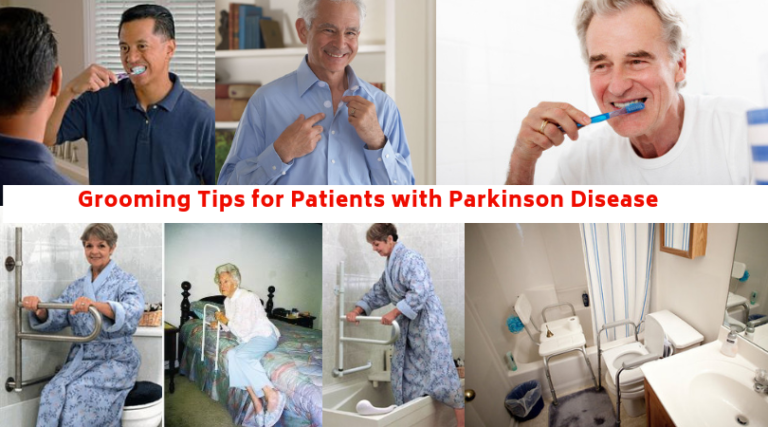
Parkinson’s disease (PD) is a slowly progressive neurodegenerative disease caused when a small group of brain cells that control body movements die. Due to this progressive Neuro problem, symptoms of Parkinson disease makes it difficult to perform your daily routine. Here we discuss some useful grooming tips for patients with Parkinson disease.
Parkinson’s disease (PD) can make everyday activities such as dressing, bathing, shaving, brushing teeth, and maintaining personal hygiene more challenging. Tremors, stiffness, slowness of movement, and balance problems may interfere with routine grooming tasks and reduce independence.
However, with the right techniques, assistive tools, and safety measures, people living with Parkinson’s disease can continue to manage personal care comfortably and confidently. Simple modifications in daily habits can significantly improve quality of life and reduce frustration.
This guide shares practical grooming and self-care tips for Parkinson’s patients and caregivers to make daily routines safer, easier, and more manageable.
Parkinson’s disease affects the brain’s ability to control movement. As symptoms progress, activities requiring fine motor coordination and balance become increasingly difficult.
Common challenges include:
These symptoms can make even simple grooming activities physically exhausting and time-consuming.
Plan dressing and grooming activities when Parkinson’s medications are working most effectively. This helps reduce stiffness and improves movement control.
Select clothes that are:
Avoid tight clothing and complicated fasteners.
Buttons and zippers can be difficult for patients with tremors. Consider:
These adjustments improve independence and reduce frustration.
If balance is affected, sit on a sturdy chair while dressing to reduce fall risk.
When putting on clothes:
When removing clothes:
This technique makes movement easier and more comfortable.
Bathrooms are one of the most dangerous places for falls in Parkinson’s patients.
Install:
These modifications improve safety and stability.
Walk-in showers are safer than stepping into bathtubs, especially for patients with balance problems.
Bar soap can slip from the hands and create slippery surfaces. Pump dispensers are easier and safer to use.
A hand-held showerhead allows easier bathing while sitting and reduces unnecessary movement.
Avoid bending or stretching by placing toiletries between shoulder and waist level.
Battery-operated electric toothbrushes help compensate for tremors and weak hand coordination.
Electric razors reduce the risk of cuts and make shaving easier for patients with shaky hands.
Sit down while:
This conserves energy and improves stability.
Mounted or hands-free hair dryers reduce strain on the arms and improve convenience.
Nails become softer after bathing, making them easier and safer to trim.
Long-handled combs, brushes, and sponges help patients with stiffness or limited shoulder movement.
Proper footwear can improve mobility and reduce falls.
Choose shoes that:
Avoid:
Comfortable and supportive shoes can improve walking confidence significantly.
Many Parkinson’s patients experience nighttime urination and mobility difficulties.
Helpful tips include:
These steps help reduce nighttime falls.
Several adaptive tools can simplify grooming:
An occupational therapist can recommend suitable devices based on the patient’s condition.
Maintaining personal grooming is not only important for hygiene but also for emotional well-being. Independent self-care helps patients feel:
Encouraging participation in daily grooming activities can improve overall quality of life for people living with Parkinson’s disease.
Consult a Parkinson’s specialist or occupational therapist if:
Professional guidance can help improve safety and preserve independence for longer.
Living with Parkinson’s disease can make grooming and self-care more challenging, but small lifestyle modifications can make a big difference. Using assistive tools, improving bathroom safety, choosing adaptive clothing, and planning activities around medication timing can help patients maintain dignity, comfort, and independence.
With proper support from caregivers, therapists, and healthcare professionals, people with Parkinson’s disease can continue to perform daily grooming activities safely and confidently.
WhatsApp us